Best Time to Visit the Amalfi Coast
When is the best time to visit the Amalfi Coast?
Late May to mid-June and September to early October usually offer the best balance of open businesses, running ferries, and manageable traffic on the SS163. July and August are the warmest but also the most congested, with active ZTL zones in Amalfi, Positano, and Ravello, while November to March is quiet but many ferries, shops, and some hotels close for the season.
Why “Summer” Is the Wrong Default Answer
Ask most people when to visit the Amalfi Coast and the reply is automatic: summer. Warm sea, long days, postcard light on the cliffs of Positano and Amalfi. But summer, and July-August in particular, is also when the region is at its most difficult to move through and its most expensive to stay in. The real answer depends on what you are optimizing for — open businesses, running ferries, manageable roads, or low prices — because no single month delivers all four at once.
This guide breaks the year into three practical bands: high season (Easter to late October, peaking in July-August), the shoulder windows (late May to mid-June, and September to early October), and low season (November to March). None of them come with a weather or ferry guarantee, and that caveat matters more here than on most coastlines.
High Season: Easter to Late October
High season on the Amalfi Coast runs roughly from Easter through the end of October, with the sharpest crowding concentrated in July and August. During this stretch, everything is open: hotels, restaurants, boat tours, the SITA buses, and seasonal ferries connecting the villages, Capri, Sorrento, and Naples.
The tradeoff is traffic and regulation. The SS163, the single coastal road linking the villages, is narrow, cliff-hugging, and was never built for the volume of cars, buses, and scooters that now use it in peak months. In July and August, this road can back up for long stretches, and Amalfi, Positano, and Ravello all run active ZTL (limited traffic zone) restrictions to control vehicle access into their centers. A rental car during these weeks is frequently more of a liability than a convenience — most travelers get around by SITA bus, ferry, or a private driver instead of self-driving.
Prices track the calendar closely. Accommodation, boat tours, and restaurant tables are hardest to book — and most expensive — from mid-June through August, and reservations for popular restaurants and boat trips should be made well in advance during this window.
| Period | Crowd level | Road/ZTL pressure | Ferry service | Typical prices |
|---|---|---|---|---|
| July–August | Highest | Heavy, ZTL fully active | Dense, frequent | Highest |
| Easter–June, Sept–Oct | High but variable | Moderate to heavy | Dense in-season | High |
| Nov–March | Low | Minimal | Reduced or suspended | Lowest |
The Shoulder Windows: Late May–Mid-June and September–Early October
The two shoulder windows are generally the strongest all-around compromise for a first visit. Late May through mid-June, and September through early October, tend to combine the practical advantages of high season — open restaurants, running ferries, buses on their full schedule — with meaningfully lighter traffic on the SS163 than the July-August peak.
This does not mean guaranteed sunshine or a traffic-free road. Weather in these months remains changeable: a warm, clear stretch can be followed by a rainy day, and conditions vary from one year to the next. Treat “shoulder season” as a season that improves your odds of good conditions and manageable crowds, not a locked-in forecast. If your trip depends on a specific activity — a boat day to Capri, a hike on the Path of the Gods — build in flexibility rather than betting everything on one date.
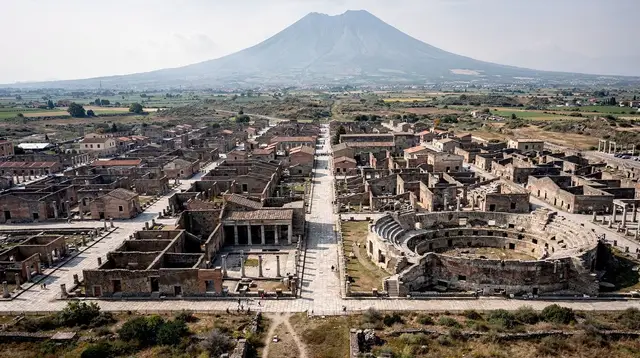
Shoulder season is also when day trips to Pompeii and Herculanum or Paestum and Salerno are most comfortable, since these sites involve walking with little shade and are considerably more taxing in the height of summer heat.
Low Season: November to March
From November through March, the Amalfi Coast slows down substantially. This is the quietest, cheapest time to visit, but it comes with real tradeoffs: a significant number of restaurants, shops, and hotels close for the season, particularly in the smaller villages, and ferry connections between the coast, Capri, Naples, and Sorrento are reduced and often suspended for stretches of the winter. Ferries should never be presented as a year-round guaranteed service — they are a seasonal high-season feature that shrinks or disappears in winter, and exact closures vary year to year.
Low season suits a specific kind of traveler: someone who wants empty streets in Ravello or Atrani, doesn’t mind researching which restaurants and shops are actually open, and is comfortable relying on road transport (SITA buses, private drivers) rather than boats to get between towns. It is a poor fit for anyone whose itinerary depends on island-hopping to Capri or on a specific restaurant or shop being open on a given day.
Why “Beach Weather” Is a Weak Reason to Pick Peak Summer
A lot of the pull toward July-August rests on an assumption borrowed from Caribbean-style beach trips: warmest weather equals best trip. That assumption doesn’t map cleanly onto this coastline. The Amalfi Coast is not a destination of wide, soft sandy beaches — most of the shoreline is pebble or coarse-sand coves, and the best-known beaches in Positano, Spiaggia Grande and Fornillo, are largely paid lido concessions with limited free parking in high season. Chasing peak sea temperature alone, then, buys you the most crowded and expensive weeks in exchange for a beach experience that was never going to resemble a Caribbean sandbar.
That reframes the seasonal decision usefully. If beach weather were the only variable, summer would win outright. Once you weigh it against SS163 congestion, active ZTLs in Amalfi, Positano, and Ravello, and peak pricing, the shoulder months start to look like the more balanced choice for most itineraries, with summer reserved for travelers who specifically want the warmest possible sea and are willing to plan around the crowds.
How the Climate Shifts Through the Year
The Amalfi Coast has a Mediterranean climate: generally drier, warmer summers and wetter, more variable autumns and winters. Sea temperature and daylight both build through spring, peak around the height of summer, and taper off through autumn into the quieter, cooler winter months. That general pattern is reliable enough to plan around in broad strokes — expect the warmest sea and longest evenings in July and August, and expect shorter days with a real chance of rain from November through March — but it does not translate into a guaranteed forecast for any specific week. Year-to-year variation is real, and a shoulder-season trip can land on a run of clear days or a rainy stretch depending on the year. Treat the climate pattern as a way to weigh the odds, not as a substitute for checking conditions closer to your actual travel dates.
Local Events That Add Their Own Seasonal Pull
Beyond the general high-season/shoulder-season/low-season pattern, a handful of recurring local events pull additional visitors into specific towns at specific times of year. Ravello’s summer concert season, held in and around the town’s cliffside gardens, draws its own audience into an already busy high-season town — if a concert is the reason for the trip, it is worth checking the performance calendar directly rather than assuming the general seasonal advice above covers it. Outdoor activities follow their own seasonal logic too: a hike along the Path of the Gods or a full day covered in the hiking itinerary is far more comfortable in the shoulder months than under the midday summer sun, since much of the trail network offers little shade.
Matching the Season to Your Trip Style
- First-time visitor wanting a manageable pace: aim for late May–mid-June or September–early October. See the first-time visitor guide and how many days to plan.
- Traveling without a rental car: any season works, but high season gives the fullest SITA bus and ferry schedules — check the car-free guide.
- Traveling with kids: shoulder months reduce heat and crowd stress on younger travelers; see Amalfi Coast with kids.
- Budget-focused trip: low season delivers the lowest prices but the most closures; see the budget guide.
- Avoiding crowds specifically: read how to avoid crowds alongside this page before locking in dates.
- Hiking-focused trip: the shoulder months suit the trail network far better than peak summer heat, so plan the itinerary around comfortable walking temperatures rather than the calendar alone.
- Concert or cultural trip: if a specific event is a draw, book around its own performance calendar first and treat the general seasonal guidance here as secondary.
Booking Around the Season You Choose
If you’re visiting in the warmer months, a boat day is one of the better ways to experience the coast without fighting SS163 traffic. A full-day private boat tour with free time along the coast works well in both high season and the shoulder months, since it sidesteps the road entirely.
For travelers visiting in the shoulder season who want an active day on the water, an Amalfi Coast kayak outing with snorkeling and grotto visits is easier to enjoy when the sea is calmer and less crowded with boat traffic. Those arriving via Naples during high season, when road transfers are slower, might instead consider a boat tour from Naples to the Amalfi Coast with free time included, which avoids the SS163 altogether.
If your dates are flexible and you’d rather have a local set the pace around ZTL hours and road conditions on the day, a private guided tour of the Amalfi Coast adapts more easily to whichever season you land in.
Planning Tools
Before finalizing dates, cross-check month-by-month conditions on the weather by month guide, and if transport is a deciding factor, review the SS163 driving guide and ferry guide for the season you’re considering. A quick pass through the packing list is also worth doing once your season is set, since what you need for a July trip differs substantially from a January one.
Frequently Asked Questions About the Best Time to Visit the Amalfi Coast
Is summer really the best time for the Amalfi Coast?
Summer, especially July and August, brings the warmest sea and longest daylight, but it also brings the heaviest traffic on the SS163, active ZTL restrictions in Amalfi, Positano, and Ravello, and the highest prices. It is the most crowded window, not automatically the best one.
What is the quietest time to visit the Amalfi Coast?
November through March is the quietest period. The pace slows considerably, and a significant number of restaurants, shops, and seasonal ferry routes close, so it suits travelers who prioritize low crowds over full services.
Are ferries running between the villages in winter?
Ferry service between the Amalfi Coast villages, Capri, Naples, and Sorrento is dense in high season but drops sharply in winter, with several routes suspended entirely. It should never be assumed guaranteed outside of the Easter-to-October window, and even within that window schedules can change year to year.
Are May and September good alternatives to summer?
Late May to mid-June and September to early October are generally considered the strongest shoulder windows, combining open businesses and running ferries with noticeably less traffic than July and August. Weather in these months can still be changeable, so it is not a guaranteed clear-sky period.
Do I need a car in high season?
A rental car is a liability rather than an asset during Easter-to-October, particularly in July and August, because the SS163 is narrow, congested, and subject to ZTL restrictions in Amalfi, Positano, and Ravello. Most visitors rely on SITA buses, ferries, or a private driver instead.
Does the Amalfi Coast have sandy beaches worth planning a summer trip around?
No. The coastline is mostly pebble and coarse-sand coves rather than the wide sandy beaches associated with Caribbean-style destinations, and the best-known beaches in Positano, such as Spiaggia Grande and Fornillo, are largely paid lidos with limited free parking in high season. Chasing peak beach weather alone is a weak reason to pick the most crowded months.
Which month has the most reliable weather?
No single month guarantees a clear, dry stretch. The region has a Mediterranean climate with generally drier summers and wetter, more variable autumn and winter weather, but conditions shift from year to year, so travel plans should not depend on a specific week being rain-free.
Is there a single best month for the Amalfi Coast?
There is no universally best month; it depends on priorities. Travelers who want open businesses, running ferries, and moderate crowds tend to favor late May, June, and September. Those who want the warmest sea accept heavier crowds in July and August, and those who want low prices and quiet streets accept closures and reduced services in winter.
Does Ravello’s concert season change the best time to visit?
Ravello runs a summer concert season that draws its own audience into the town during the warmer months, on top of the general high-season crowds already on the coast. If a concert is the reason for the trip, the performance calendar should be checked directly rather than assuming any single month works; otherwise the usual high-season versus shoulder-season tradeoffs still apply to the rest of the itinerary.
Is hiking better in a specific season?
Hiking trails such as the Path of the Gods are far more comfortable outside the peak summer heat, since much of the route has little shade. The shoulder windows in late spring and early autumn are generally more workable for a full day of walking than the height of July and August, though trail conditions can still vary.
Popular Amalfi Coast Tours on GetYourGuide
Verified deep-linked GetYourGuide tours. Book through these links and we earn a small commission at no cost to you.
GetYourGuide does not provide a product photo for this activity — the image shows the meeting point, photographed by us.
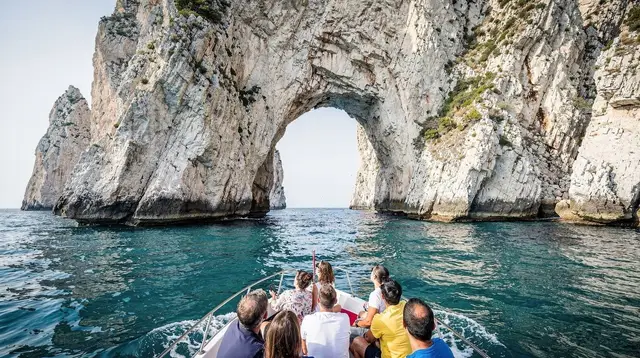
Capri by Yacht from Marina di Stabia Mochi Craft 33 8 Person Maximum

Private Cruise from Naples to Capri and Amalfi Coast - yacht 50'