Amalfi Coast in 3 Days: Positano, Amalfi and Ravello by Bus and Ferry
Three days is enough to see the coast’s three signature towns properly, but only if you accept one trade-off: you stay in a single base for all three nights and radiate outward by SITA bus or seasonal ferry, rather than repacking your bag each morning for a new hotel. Try to add a fourth town, or worse, a rental car, and the same three days collapse into transfer logistics instead of time in Positano, Amalfi and Ravello themselves.
One Base, Two Excursion Days
The structure that actually works is simple: arrive and settle in Positano on Day 1, use Day 2 to reach both Amalfi and Ravello in a single loop, and keep Day 3 slow, either as a last morning in Positano or an easy wind-down before departure. This only holds together because Positano sits roughly in the middle of the coast’s SITA bus line, with Amalfi around 40-50 minutes away by road and Ravello a further bus change up the mountain from there.
Keeping one base also sidesteps the coast’s biggest planning trap. Amalfi, Positano and Ravello all enforce a ZTL (limited traffic zone) through the summer, and the SS163 coastal road narrows to a single lane in places with alternating traffic control in July and August. A rental car doesn’t save time here, it costs it, in queues, restricted entry, and parking that either doesn’t exist or costs more than the bus fare many times over. If you’re weighing whether to drive at all, this coast is one of the clearest cases for going without a car.
Day 1: Arrival and Settling Into Positano
Whichever airport or train station you arrive through, Naples and Salerno both feed into the coast via bus, ferry or private transfer, and Positano itself has no train station of its own. Build in slack for this transfer: coastal roads move slower than a map suggests, and if you’ve flown in overnight, a mid-afternoon arrival is realistic rather than pessimistic.
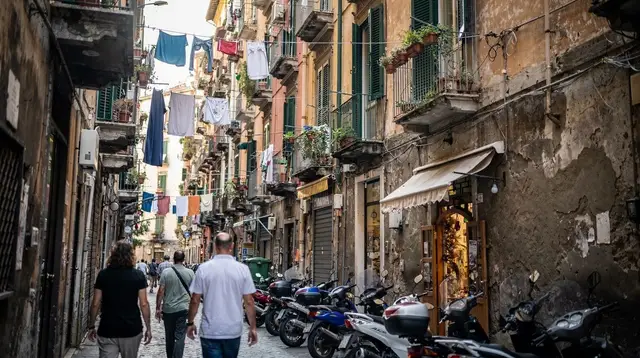
Once you’ve checked in, resist the urge to sightsee immediately. Positano is a town best absorbed on foot, descending its stepped lanes toward the water rather than rushing between fixed stops. Spend the late afternoon working down toward Spiaggia Grande, and note that most of the sand here belongs to paid lidos rather than free public beach, so budget for a sunbed if you want to sit rather than just look.
For dinner, stay in town rather than venturing out. If you want structure rather than wandering on your own, a guided route through the older lanes works well as an orientation walk: a small-group walk through Positano’s hidden staircases and back streets covers corners most visitors miss entirely on their first evening. Finish with a sunset view from one of the upper terraces before an early night, since Day 2 starts with a bus.
Day 2: Amalfi and Ravello in One Day
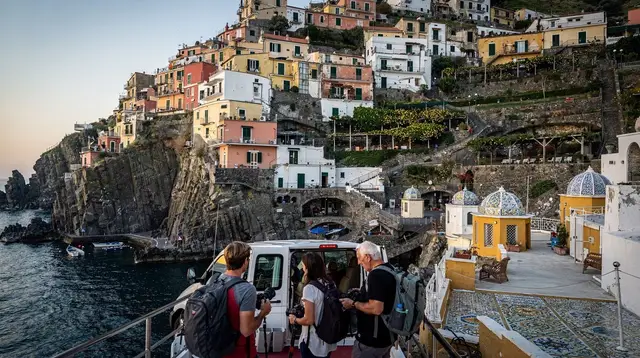
This is the day that makes the whole three-day plan work, and it’s genuinely doable without a car. Catch an early SITA bus from Positano toward Amalfi; the ride itself is part of the experience, hugging the cliff edge with views down to the water, though it can be standing-room only in peak season. Alternatively, in the warmer months, a boat is a scenic substitute for the bus, and a short morning crossing between Positano and Amalfi covers the same ground from the water instead of the road.
Spend the late morning in Amalfi itself: the striped facade of the Duomo di Sant’Andrea and its cloister are worth the climb up the front steps, and if you want the fuller story behind the building, the cathedral’s history is covered in more detail here. Amalfi is also the town most associated with the coast’s paper-making tradition, a craft distinct from anything you’ll see in Positano or Ravello.
After lunch in Amalfi, change buses for the climb to Ravello, perched roughly 350 meters above the sea on its own ridge. Do not expect a beach here: Ravello has none of its own, and reaching the shoreline means a steep road or staircase back down toward Amalfi or Minori. What Ravello does have is two of the coast’s best gardens, and both are worth the trip up. A guided walk through Ravello’s historic center is a practical way to see both without missing the town’s smaller architectural details, and if you’d rather browse first, Villa Rufolo’s terraced gardens and Villa Cimbrone’s cliff-edge belvedere are the two anchor sights most people build the visit around.
Return to Positano by bus in the late afternoon or early evening, or, if you timed it for sunset and it’s running that season, consider ending the day on the water instead: a sunset sail from Amalfi back to Positano turns the return leg into the day’s highlight rather than just a commute.
Day 3: A Slow Return to Positano
With the two excursion towns already covered, keep the last day deliberately light. If your departure is in the afternoon or evening, use the morning for whatever Positano left unfinished on Day 1: a final walk down to the water, a coffee on a terrace you didn’t get to, or a short boat outing along the immediate coastline before you need to head back toward Naples or Salerno for onward travel.
If you’d rather see the coast from the water one last time, a broader loop works well here too. A half-day coastal tour by boat covering Positano and the shoreline toward Amalfi is a relaxed way to close the trip without adding a new town to the itinerary. Keep this day flexible rather than scheduled: it’s your buffer if Day 2’s buses ran long, and your reward if they didn’t.
Why This Itinerary Skips Sorrento and Capri
It’s tempting to stretch three days to cover five towns instead of three, but Sorrento and Capri genuinely don’t fit here without breaking the pace of the trip. Sorrento sits on the far side of the Sorrentine Peninsula from Positano, and Capri requires a separate ferry crossing with its own weather dependency. Squeezing either in means sacrificing time in Amalfi or Ravello, or turning Day 2 into a two-connection scramble instead of the manageable loop described above.
The road itself is the other constraint. The SS163 running through Positano, Amalfi and Praiano is a single narrow lane in each direction for long stretches, with a ZTL restricting private vehicle access in Amalfi, Positano and Ravello through the high season. Adding a fourth destination multiplies the number of times you’re relying on that same congested road, and a short three-day trip has the least slack to absorb delays. If you do have more time to work with, a five-day version of this route is a better place to fold in Sorrento or Capri properly, and a dedicated two-day Capri and Sorrento itinerary covers that pairing on its own terms instead of as an afterthought.
Getting Between the Three Towns
| Leg | Bus (SITA) | Ferry (seasonal, Apr-Oct) |
|---|---|---|
| Positano to Amalfi | ~40-50 minutes | ~25-35 minutes |
| Amalfi to Ravello | ~25 minutes (separate connecting bus) | Not applicable, no direct dock access |
| Amalfi to Positano (return) | ~40-50 minutes | ~25-35 minutes |
Ferries are the faster and more scenic option between Positano and Amalfi, but they run on a seasonal timetable and are reduced or suspended outside roughly April to October, so don’t build a winter version of this itinerary around boats. Buses run year-round but get crowded in July and August; arrive at the stop with time to spare rather than assuming the first bus will have room. For a broader comparison of the two options along the whole coast, see this guide to ferries between Positano, Amalfi and Sorrento.
Frequently Asked Questions About This 3-Day Amalfi Coast Itinerary
Is three days enough for the Amalfi Coast?
Three days is enough to see Positano, Amalfi and Ravello properly if you base yourself in one town and treat Day 2 as a single combined excursion to the other two. It is not enough time to also add Sorrento, Capri or the Naples day trips without cutting into time in the three main towns.
Do I need a car for this itinerary?
No. The SITA bus network and seasonal ferries connect Positano, Amalfi and Ravello directly, and a rental car adds ZTL restrictions, narrow-road delays and scarce parking rather than saving time. This itinerary is built around going without one.
Can I really visit Amalfi and Ravello on the same day?
Yes. Amalfi and Ravello are connected by a short SITA bus ride of around 25 minutes, and most visitors spend the late morning in Amalfi before moving up to Ravello for the afternoon. The tighter part of the day is timing the return bus or boat back to your base before evening.
Why base the whole trip in Positano instead of changing hotels each night?
Positano sits roughly midway along the coast’s bus and ferry routes, which makes it an efficient base for reaching both Amalfi and Ravello without repacking. Moving hotels each night on a three-day trip loses time to check-in and check-out that would otherwise go toward sightseeing.
Should I add Capri or Sorrento to this three-day trip?
It’s not recommended. Both require a separate ferry or train connection outside this loop, and fitting either in means shortening time in Amalfi or Ravello. If you have five days instead of three, or want Capri and Sorrento specifically, those pairings work better as their own itinerary.
Does Ravello have a beach?
No. Ravello sits roughly 350 meters above sea level on its own ridge, with no beach of its own. The nearest shoreline is down in Amalfi or Minori, reached by a steep road or a long staircase.
What’s the best way to get from Positano to Amalfi?
Both the SITA bus and, in season, a short ferry connect the two towns directly. The ferry is faster and gives you coastal views, but it only runs roughly April through October, so travelers visiting outside that window should plan around the bus instead.
tours.3 days
Verified deep-linked GetYourGuide tours. Book through these links and we earn a small commission at no cost to you.
GetYourGuide does not provide a product photo for this activity — the image shows the meeting point, photographed by us.