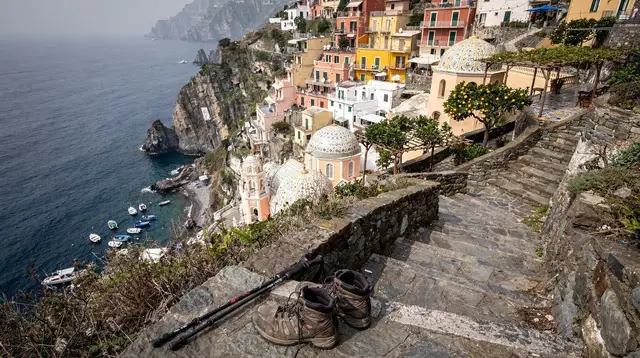
Valle delle Ferriere Hike: The Amalfi Coast's Hidden Rainforest
Is the Valle delle Ferriere hike worth doing?
Yes, if you want a shaded, waterfall-filled alternative to the exposed coastal trails. The valley's microclimate, created by cascades between Amalfi, Pontone and Scala, once powered Amalfi's historic paper mills, and the ruins are still visible along the path. It suits hot summer days precisely because it is nothing like the dry, sun-exposed Sentiero degli Dei.
A Rainforest Behind the Cliffs, Not a Detour From the Coast
Ask around Amalfi and most people will describe the Valle delle Ferriere the same way: shady, damp, full of waterfalls, and strangely cool even in the middle of August. That description is not an exaggeration, and it is not an accident either. The valley sits in a narrow gorge carved between Amalfi, the hilltop hamlet of Pontone, and Scala, fed by a series of cascades that drop through the rock on their way down toward the sea. That water creates a genuine microclimate: more humidity, more shade, more greenery than almost anywhere else on this stretch of coast, where most trails run across exposed, sun-baked limestone.
This is not a minor curiosity. The reason the Valle delle Ferriere is worth hiking at all is tied directly to why it exists as a distinct landscape in the first place. The valley’s water power was harnessed for centuries by paper mills, and the ruins of those mills are still part of the trail today. Understanding that history changes how the hike reads: this is not just a pretty green corridor squeezed between cliffs, it is the physical origin point of one of Amalfi’s oldest crafts.
Why the Valley Is So Different From the Rest of the Coast
Most people arrive on the Amalfi Coast expecting dry, hot, sun-exposed paths — and for good reason, since most of the coastline delivers exactly that. The Sentiero degli Dei, the coast’s most famous trail, runs along an open ridge with wide sea views and almost no cover from the sun. The Valle delle Ferriere is the inverse of that experience. Walking into the gorge, the temperature drops noticeably, the light dims under a canopy of trees, ferns and moss cover the rock walls, and the sound of running water is constant rather than occasional.
That contrast is worth planning around rather than glossing over. If you are visiting in July or August and want relief from the heat without giving up on hiking altogether, the Valle delle Ferriere is one of the few options on this coast that genuinely delivers shade for most of the route. But the same humidity that makes it pleasant in summer also makes it a completely different kind of trail underfoot: damp stone, exposed roots, and moss-covered steps rather than the dry, grippy dirt paths typical of the ridge trails above Positano or Praiano.
The Paper Mills: Why This Valley Mattered Long Before Hikers Came
Long before anyone hiked here for leisure, the Valle delle Ferriere was an industrial site. Amalfi’s paper tradition, the handmade cotton-rag paper known as carta bambagina, depended on water power to run its mills, and this valley’s waterfalls supplied exactly that. Ferriere itself means “ironworks,” a name tied to the valley’s earlier use for metalworking before paper production became dominant.
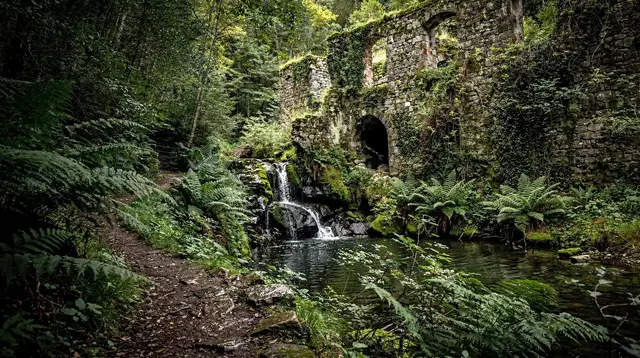
Walking the trail today, you pass the remnants of that industry directly: stone mill walls, old channels that once redirected water to turn wheels, and foundations now half-reclaimed by ferns and moss. These are not staged historical markers, they are working ruins left in place, damp and quietly decaying in the same humid air that made them useful centuries ago. If you want the fuller story of how that paper tradition developed and where it is preserved today, the Amalfi Paper Museum in town fills in the details the trail itself only hints at.
That layered history is part of what separates this hike from a simple nature walk. You are not just moving through a scenic gorge, you are walking the route that once explained why Amalfi became known for papermaking in the first place — a direct, physical link between geography and craft that is easy to miss if you treat the valley as scenery alone.
Where to Actually Start: Amalfi, Pontone or Scala
One of the most common mix-ups involving this hike is assuming it can be reached directly from Minori and Maiori. It cannot, at least not as a direct trailhead. Minori and Maiori are useful as a base for sleeping nearby, with easier road and bus access along the coast, but the recognized entry points into the Valle delle Ferriere sit around Amalfi itself, the small hamlet of Pontone above it, and Scala further up the hillside.
From Amalfi, the trail climbs out of town before dropping into the gorge, following the water upstream past the mill ruins. From Pontone, a quieter and less crowded approach, you reach the valley from a higher vantage point with fewer people on the path in peak season. Scala offers a third option, tying into the network of trails that link the ridge villages above Amalfi and Ravello. None of these approaches are long drives from Minori or Maiori, but travelers expecting to walk straight out of either beach town onto the trail should adjust that expectation before arrival.
For a broader sense of how these hillside villages connect to each other on foot, the Ravello walking tour guide and the Amalfi town walking tour are useful companions, since several routes down from Ravello and Scala intersect with paths that eventually connect to the valley network.
What the Trail Actually Feels Like
Inside the gorge, the path narrows and the vegetation thickens fast. Ferns crowd the trail edges, moss coats stone retaining walls, and small wooden bridges cross the stream in several places. Waterfalls appear at intervals rather than as one single dramatic drop, and several of the pools beneath them are genuinely striking, cold, clear water collecting in shaded rock basins.
None of this comes without a tradeoff. The same water that creates the scenery also keeps much of the trail surface damp, and in places genuinely slick, particularly on stone steps and near the base of waterfalls. This is not a trail where you can rely on the kind of firm, dry footing typical of the open ridge trails elsewhere on the coast. Good footwear with real tread matters here more than almost anywhere else on the Amalfi Coast’s hiking network, and a walking pole is a reasonable addition rather than an overcautious one.
The upper reaches of the valley fall within a protected nature reserve, where access can be more restricted and is sometimes better handled with a guide who knows current conditions. If you would rather not navigate the access questions yourself, a guided option removes that uncertainty:
a small-group hike through the valley with a local guide covers the route with someone who already knows which sections are open and which need extra care that day.
For travelers who prefer a private pace, or who are traveling with a small group that wants flexibility on timing and stops for photos at the waterfalls, a private guided hike into the Valle delle Ferriere is the more flexible version of the same idea.
Rain Changes This Trail More Than Most
It is worth being direct about this: the Valle delle Ferriere should never be treated as a hike that is safely open in any season without checking first. Heavy or sustained rain increases water flow through the gorge, can make stone steps and root-covered sections genuinely dangerous, and has led to temporary closures in the past when conditions near the old mill structures and waterfalls became unsafe. The dense vegetation that makes the valley beautiful also means the ground holds moisture longer than the open, sun-exposed slopes above Ravello or along the SS163.
This is different from how many visitors think about hiking on this coast generally. Trails like the Path of the Gods are affected by heat and sun exposure more than by rain. The Valle delle Ferriere is the opposite case: rain, not heat, is the condition that most often determines whether the trail is sensible to attempt on a given day. Checking recent conditions locally, in Amalfi or through a guide, is a reasonable step before committing to the hike, especially outside the driest summer weeks.
Combining the Hike With the Rest of the Area
Because the trailheads cluster around Amalfi, Pontone and Scala, the Valle delle Ferriere pairs naturally with time spent exploring those towns rather than standing as an isolated outing. A morning in the gorge followed by an afternoon in Amalfi itself, visiting the Amalfi Cathedral or wandering the historic center, makes for a full but unhurried day. Travelers based in Minori and Maiori can treat the hike as a half-day trip inland before returning to the beach towns for the evening.
For those who want to see more of the wider Amalfi–Ravello hillside network on the same trip, guided options that connect several villages in one outing are worth considering. a guided hike connecting Ravello down to Minori follows a different route than the Valle delle Ferriere but covers similar terrain in terms of shaded paths and stone steps between hillside villages, giving a useful comparison if you are deciding which hike suits your fitness level and time.
If waterfalls and greenery appeal but you’d rather stay closer to the coast on a gentler route, a walk along the terraced lemon groves above the coast offers a lower-effort alternative with a completely different but still very local character, tracing the agricultural terraces rather than a river gorge.
Planning Notes at a Glance
| Detail | What to know |
|---|---|
| Main access points | Amalfi, Pontone, Scala — not directly from Minori or Maiori |
| Terrain | Shaded gorge, waterfalls, stone steps, tree roots, often damp |
| Best months | Spring through early autumn, with rain-dependent conditions year-round |
| Difficulty | Moderate; footing is the main challenge, not distance or elevation |
| Historical feature | Ruins of Amalfi’s historic paper mills along the route |
| Compare to | Sentiero degli Dei (dry, exposed, coastal views) for contrast |
Minori and Maiori remain a sensible base for this hike even without a direct trailhead, since both towns sit a short drive from Amalfi and Pontone and offer easier access to buses and ferries along the coast. If you’re weighing where to stay for a trip built around hikes like this one, Minori and Maiori’s beaches guide covers what the towns offer beyond the trail itself, while the Amalfi Coast without a car guide explains how to reach the trailheads using SITA buses if you are not driving.
Frequently Asked Questions About the Valle delle Ferriere Hike
Is the Valle delle Ferriere hike difficult?
It is moderate rather than extreme, but the path is often damp, with stone steps, tree roots and sections that turn slippery after rain. Sturdy footwear with real grip matters more here than on drier coastal trails.
Can I start the hike from Minori or Maiori?
Not directly. Minori and Maiori work well as places to sleep nearby, but the recognized access points into the valley are around Amalfi, Pontone and Scala, not from the two beach towns themselves.
Why is this valley so much greener and wetter than the rest of the Amalfi Coast?
The Valle delle Ferriere sits in a narrow gorge fed by waterfalls that create a humid microclimate, cooler and shadier than the exposed limestone slopes elsewhere on the coast. That constant moisture is also what once made it useful for industry.
What are the paper mill ruins along the trail?
They are the remains of the mills that used the valley’s water power to produce Amalfi’s traditional handmade paper, carta bambagina. Several stone structures and old mill walls are still visible along the route, some now damp and overgrown.
Is the trail open all year?
It is not something to treat as guaranteed in every season. Heavy rain can make the path unsafe or officially closed, since the terrain, vegetation and old mill structures near the water are more exposed to slides and flooding than the coast’s drier trails.
How does this hike compare to the Path of the Gods?
The Path of the Gods runs along an open, sun-exposed ridge with sea views, while the Valle delle Ferriere is a shaded, damp woodland walk beside waterfalls with no coastal panorama. They suit different weather and different moods rather than being interchangeable options.
Do I need a guide for the Valle delle Ferriere?
A guide is not mandatory, but the upper sections toward the protected nature reserve can require permission or are best visited with a local guide who knows current trail conditions, especially after rain.
What should I bring on this hike?
Waterproof, grippy footwear, a light layer for the cooler valley air, and water. A walking pole helps on the steeper, slicker stone steps, and it is worth checking recent trail conditions before setting out.
Hiking Tours on the Amalfi Coast on GetYourGuide
Verified deep-linked GetYourGuide tours. Book through these links and we earn a small commission at no cost to you.
GetYourGuide does not provide a product photo for this activity — the image shows the meeting point, photographed by us.